STONE CLADDING
The UK’s climate exposes buildings to constant weathering, from driving rain and high winds to frost and temperature fluctuations. Over time, this can lead to surface deterioration and, if left unprotected, more serious structural issues.
Stone cladding is a long-established solution used across residential and commercial construction to improve durability while enhancing the external appearance of a building. When correctly specified and installed, it forms part of an effective strategy to protect the building envelope and extend the lifespan of external walls.
HOW STONE CLADDING PROTECTS A BUILDING
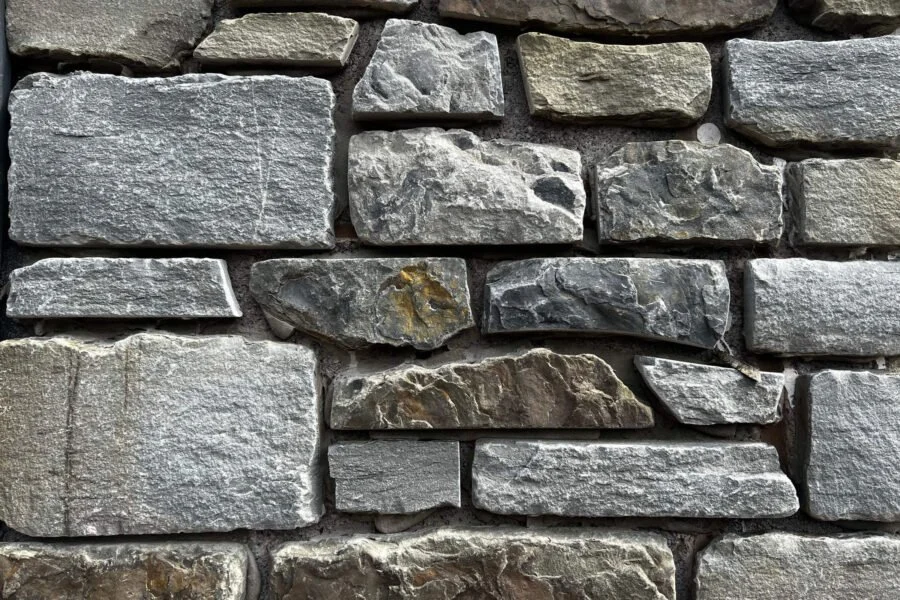
Stone cladding involves fixing a layer of natural or manufactured stone to the external face of a building. Its primary purpose is to provide resistance against weather exposure, deflecting wind-driven rain and helping manage moisture at the building’s surface. Rather than absorbing the full impact of the elements, the cladding transfers loads and exposure back to the main structural framework.
When correctly specified and installed, stone cladding can significantly reduce long-term wear on external walls and help prevent common issues such as water ingress, surface erosion, and freeze-thaw damage.
ADDITIONAL BENEFITS OF STONE CLADDING
Beyond weather protection, stone cladding can improve thermal performance by contributing to insulation, helping regulate internal temperatures and reduce heating demand during colder months. It can also assist with acoustic performance and, depending on system design, improve fire resistance.
CHOOSING THE RIGHT CLADDING SYSTEM
There are many types of cladding systems available, including stone veneer, brick slips, timber cladding, rainscreen systems, and composite panels. Selecting the correct system depends on exposure conditions, planning constraints, and the requirements of the structure.
Professional assessment is essential to ensure compatibility, durability, and long-term performance.